TODDLER
6 Simple Ways to Teach Kids About the Environment
Teach your little ones how to figure out what is a 're-do' (recyclable) and what is a 'bye-bye' (not recyclable).

Written by
Dr. Harvey Karp
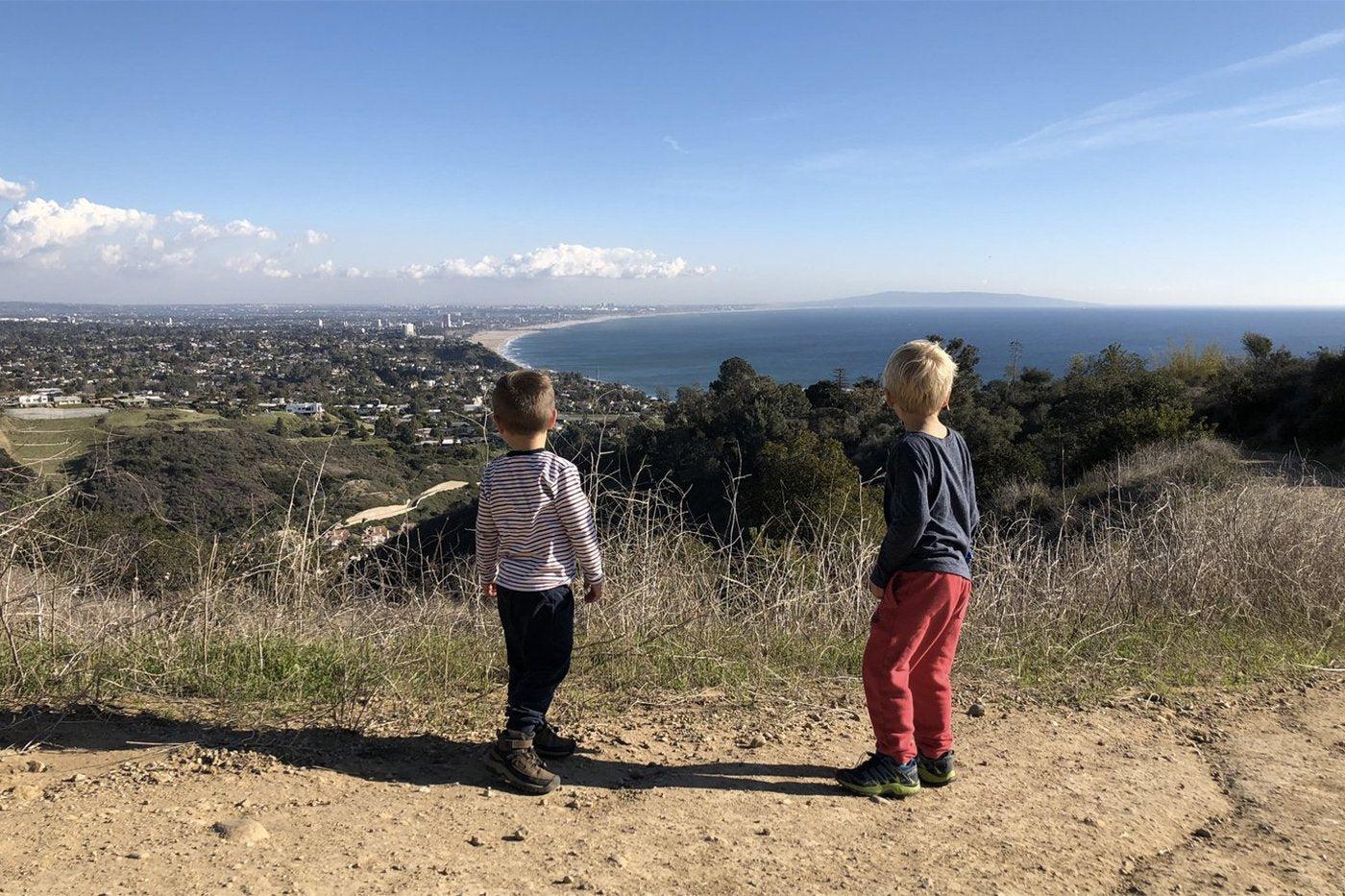
How to Teach Kids About the Environment
Happy Earth Day! When you are a parent, you are consumed with so many 'must-do’s' to take care of your kids’ health and development that it is easy to forget about helping them learn to take care of Mother Nature. But, it is actually pretty easy to do.
Teach children about recycling.
Teach your little ones how to figure out which items are 're-do's' (recyclable) and what is a 'bye-bye' (not recyclable). Make sorting the recycling a household chore worthy of a gold star or 'check on the hand.' (See The Happiest Toddler on the Block for ideas on boosting good behaviour.)
Teach kids about littering.
Teach your kids that it is not cool to be a 'litter-bug.' Go to the beach or the park and have a race to see how many pieces of paper they can pick up in 2 minutes (supervise this activity to make sure the trash is 'regular trash' like paper, nothing sharp or disgusting). Of course, have the hand sanitiser ready for a good cleaning as soon as you are done. Responsibility and sustainability…two lessons for one!
(Remind older kids that trash often ends up in unwanted places, like the ocean, and can be dangerous for animals: 'Do not be a chump, use the dump.')
Teach environment conservation.
The easiest ways for kids to protect our planet are:
- Turn off the water while brushing their teeth. ('Save some water for the other families who need it.')
- Turn lights off when leaving a room. ('Save some light for the other families who need it.')
Rather than nagging with reminders, 'catch your kids being good.' Even if they only remember to do it one out of 10 times, toss them a praise for that. And, occasionally ask them to go all the way back to the room to flip the switch, they will quickly learn. (Check out my 'gossiping' technique to really make your praise productive!)
Use visuals and stories to teach kids about the environment.
Luckily, lots of other parents have come up with lots of other great ideas! Check out kids' books about protecting the environment, like Seeds of Change or If Sharks Disappeared. Or use the internet to find photos that support your conversation or search for examples.
One super-perfect way to encourage enviro-excellence is around food.
Teach children the importance of buying organic and local when possible.
Over the past decade, organic has become much more available and less expensive. No need to be a fanatic, but it is smart to do what you can when/where you can. A great place to start is with a visit to EWG (Environmental Working Group). Use their guidelines to prioritise which foods you buy organic:
- Clean Fifteen: 15 foods that are okay to eat when conventionally grown (they have the least pesticides)
- Dirty Dozen: 12 foods that are best to buy organic (they have the most pesticides)
Avoid single-use containers, bags, and plastic wrap.
Here are a whole bunch of awesome alternatives to single-use plastic:
1. Use reusable cloth totes that fold into backpacks or purses
2. Use reusable containers or lunchboxes:
- Like these ones from Planet Box
- These cuties from HealthNut Shop are made of rice husk!
- SoYoung non-toxic linen cooler bags are available on Amazon (and The Good Planet Company online and in Canada; at Sweet Elephants in Australia)
- Glass food storage containers
3. There are smaller reusable fabric bags…so you do not have to resort to disposable bags for snack time…available at local grocery stores and online (HealthNut Shop ; The Good Planet Company)
4. When reusable products are not an option (like for airplane trips where you do not want to be stuck lugging empty containers), use waxed paper sandwich bags instead of plastic ones, like these from LunchSkins. Extra benefit: They are compostable and recyclable!
5. Little kids frequently do not finish their food. Instead of aluminum or plastic wrap, consider using beeswax fabric covers. (You can make your own with this tutorial—a fun DIY activity to do with your kids!) If you have to use plastic wrap, make sure it does not contain 'vinyl' or 'PVC.' Those have been shown to be hormone-disrupting chemicals.
6. As a special present, buy a reusable water bottle for your kids. Let them pick out their own, and write their name on it or go all out and decorate it. It is best to buy only stainless steel or glass (silicone-wrapped for safety), not plastic. Added bonus: You will save money when you no longer have to buy overpriced water on outings!
Final Thoughts on Teaching Kids About the Environment
It is no secret that the environment is in trouble. We have already started to see the devastating effects of climate change. It is so important as parents to take care of Mother Earth as much as we can and preserve the planet for our little ones! And, if you can, donate to a group that is working every day to protect the planet for our growing kids.
Disclaimer: The information on our site is NOT medical advice for any specific person or condition. It is only meant as general information. If you have any medical questions and concerns about your child or yourself, please contact your health provider. Breastmilk is the best source of nutrition for babies. It is important that, in preparation for and during breastfeeding, mothers eat a healthy, balanced diet. Combined breast- and bottle-feeding in the first weeks of life may reduce the supply of a mother's breastmilk and reversing the decision not to breastfeed is difficult. If you do decide to use infant formula, you should follow instructions carefully.
SHARE THIS ARTICLE
PARENT PICKS
Bestsellers